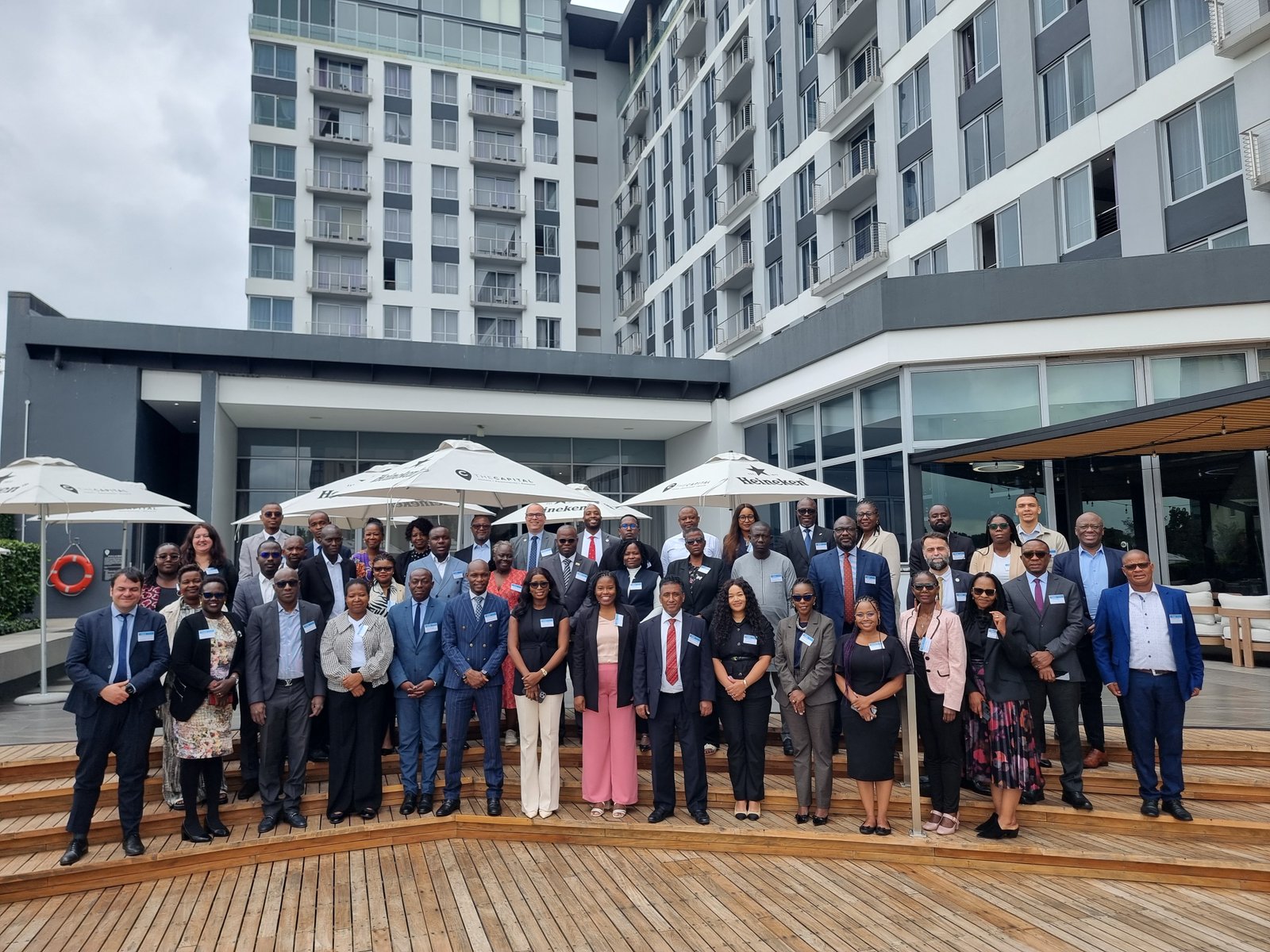
First Workshop on Legal and Economic Issues in Taxes, Fees and Charges for the Africa Aviation Industry, 23-25 February 2026
The workshop is a collaboration between African Civil Aviation Commission (AFCAC), the McGill Institute of Air and Space Law (McGill) and the European Union Aviation Safety Agency (EASA).
Dates: February 23-25 (3 Days - in person)
Venue: The Capital on the Park Hotel, Sandton, South Africa
Workshop documents: Some documents already available, and others will be made available for download below.
I. Background
Africa’s air transport sector is undergoing a transformative phase of liberalisation, driven by integration policy frameworks especially the African Union’s Agenda 2063, the Single African Air Transport Market (SAATM) operationalising the Yamoussoukro Decision (YD) and the African Continental Free Trade Area (AfCFTA). These initiatives envision an integrated and seamless African airspace, promoting connectivity, competitiveness, and sustainable growth. A harmonised regulatory framework of the African air transport system is a pillar of the agenda to create a Single African Air Transport Market. These initiatives, particularly SAATM, are weakened by variations in taxes, fees, and charges (TFCs) levied on air tickets within the intra-African air transport market. Lack of standardization and divergent approaches in collection and repatriation of TFCs poses a significant barrier to affordable, competitive, and integrated air transport services across the continent. These complexities hinder not just market liberalisation but the development of integrated economies because of limited connectivity.
To address these challenges, AFCAC and the McGill University, Institute of Air and Space law with the support of EU funded project “The operationalisation of the SAATM- Support to AFCAC” implemented by EASA are convening a first training workshop to strengthen the legal and institutional capacities of legal experts and economic officers in the African aviation governance systems. The workshop will feature training delivered by legal specialists from McGill together with AFCAC economic and legal experts. The workshop will focus on legal aspects of harmonisation of legal regimes on taxes and charges and explore the international experiences and approaches particularly from European Union (EU), North America and Asia.
The workshop is convened under the mandate of AFCAC to facilitate the implementation of SAATM and related regulatory convergence with the objective to strengthen aviation in Africa and considering Africa's inclusive and sustainable economic and social development.
II. Workshop Objectives
The overarching goal is to build capacity and foster legal and policy coherence in the regulation of aviation taxes, fees and charges across the African air transport markets.
The organisers wish to:
- enhance participants understanding of ICAO’s policies and position on charges for airports and air navigation services,
- examining and evaluate the legal frameworks governing aviation taxes and charges in Africa,
- identify gaps and inconsistencies that impede harmonisation and integration according to integration policy frameworks of the continent,
- discuss best practices and international experiences
- develop recommendations for a harmonised legal model or guiding principles for African States,
- strengthen collaboration among regulators, policy makers, and academia for sustainable governance of the air transport system by facilitating knowledge exchange on reforming legal frameworks on TFCs and,
- foster dialogue to promote best practices for TFC management, supporting liberalisation and harmonisation.
III. Expected Outcomes
By the end of the workshop organisers are expected to achieve:
1. Consolidated Mapping of the Legal and Policy Landscape
- A clear overview of the current legal, institutional and policy framework governing TCFs across African States
- Identification of key gaps, overlaps and inconsistencies requiring harmonisation.
2. Comparative legal and Economic Insights
- A synthesis of international practices and comparative legal models relevant to the African context.
- Understanding of the economic and regulatory implications of divergent TFC practices.
3. Draft Elements for a Harmonised Legal Framework
- Preliminary proposals for principles, definitions and structural components of a harmonised African legal framework on TFCs.
- Priority areas for alignment with SAATM, including transparency and collection modalities.
4. Roadmap for Regional Coordination and Compliance
- Proposed mechanisms for cooperation between AFCAC, national CAAs and ministries.
- Monitoring and implementation recommendations within SAATM structures.
IV. Methodology
The Workshop will adopt a highly interactive and results-oriented methodology combining expert presentations, comparative legal analysis and collaborative problem-solving:
1. Expert-Led Plenary Presentations
- Technical briefings by AFCAC, EASA, McGill and representatives of AU, AfCFTA, and RECs.
- Framing the institutional, regulatory and economic dimensions of TFCs.
- Interactive Q&A sessions.
2. Comparative Case Studies and International Benchmarking
- Examination of regional experiences such as the EU, North America and Asia.
- Discussion of applicability and lessons learned.
3. Breakout Working Groups
- Group exercises to map legal frameworks, identify gaps and propose elements for harmonisation.
- Facilitated by McGill, AFCAC and EASA.
4. Plenary Consolidation
- Presentation of working group outputs.
- Facilitated debate to refine recommendations.
V. Follow-Up Actions
AFCAC will lead the compilation of workshop report and recommendations. The report will contain suggestions for Policy and legal reform agreed upon by the participants and will act as a guidance document for AfCAC in generating a model law on TFCs.
AFCAC will establish a Technical Working Group to advance outcomes.
The outcomes of the workshop will support the removal of legal barriers to market liberalisation and integration, directly empowering stakeholders to progress the continental vision for affordable, accessible, and harmonised African air transport. The policy and legal reform recommendations will support national and regional reforms which will facilitate improved connectivity and regional economic development.
Please download the workshop documents below:
Posted: Nov 14, 2025